
The Lake Life Guide · October 3, 2026
What Are the Best Sunglasses for Driving?
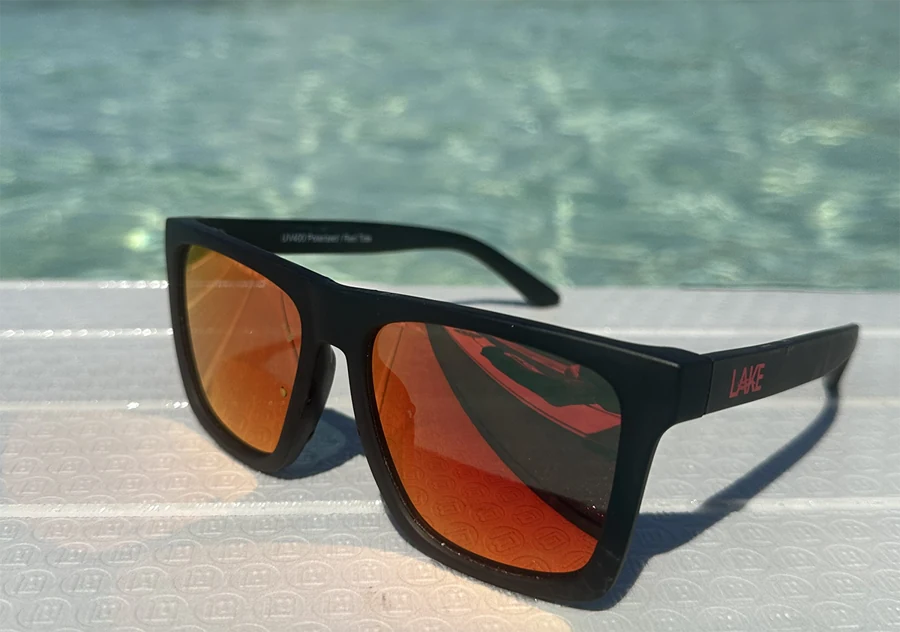
Are Polarized Sunglasses Good for Driving?
Polarized sunglasses are usually an excellent choice for daytime driving.
Polarized lenses filter reflected glare from flat surfaces such as roads, car hoods, and windshields. This can make bright conditions feel more comfortable, particularly when the pavement is wet or the sun is low in the sky.
The American Optometric Association recommends polarization to help reduce glare from horizontal surfaces while driving and participating in outdoor activities. AOA
Polarization and UV protection are not the same feature. Polarization controls reflected glare, while UV protection filters ultraviolet radiation. A quality pair of driving sunglasses should provide both.
Our guide to polarized versus nonpolarized sunglasses explains these differences in more detail.
What Lens Color Is Best for Driving?
Gray and brown lenses are the most practical choices for most drivers.
Gray lenses
Gray lenses reduce brightness while keeping colors relatively natural. This is helpful when you need to distinguish traffic signals, brake lights, signs, and road markings.
The American Optometric Association specifically identifies gray tint as useful for driving because it supports accurate color recognition. AOA
Brown or amber lenses
Brown and amber lenses can improve contrast, which may help when the light is variable or the sky is overcast. They also create a warmer view, so colors will not appear as neutral as they do through gray lenses.
Blue mirrored lenses
A blue mirror finish can reflect additional visible light and feel comfortable in strong sun. The tint underneath the mirror coating still determines how the road and surrounding colors appear.
Read the LAKE guide to gray, amber, and blue sunglass lenses for a closer comparison of how lens colors affect contrast and color perception.
Can Polarized Sunglasses Make Dashboard Screens Hard to See?
Sometimes.
Polarized lenses can make certain LCD screens appear darker, uneven, or marked with rainbow patterns. The effect depends on the orientation of the screen and its polarizing filter.
This may affect:
-
Digital instrument panels
-
Navigation screens
-
Head up displays
-
Phones mounted for navigation
-
Gas pump displays
Test your sunglasses with the displays in your parked vehicle before relying on them for a long drive. Check the instrument panel, navigation screen, and head up display from your normal seating position.
If critical information becomes difficult to read, a different lens or a nonpolarized pair may work better in that particular vehicle.
Avoid Lenses That Are Too Dark
The darkest lens is not automatically the best lens for driving.
Sunglasses should reduce uncomfortable brightness without hiding details in shaded areas, tunnels, parking garages, or changing weather. Remove them when the available light becomes too low for you to see clearly.
Standard tinted sunglasses should not be worn for night driving. They reduce the amount of light reaching your eyes when visibility is already limited.
Yellow lenses are sometimes marketed for nighttime use, but adding a tint does not create more available light. Clear prescription lenses with a clean surface and an appropriate anti reflective treatment are generally more useful if nighttime glare is a recurring problem. An eye care professional can check whether an updated prescription or another vision issue is involved.
Fit Matters on Long Drives
A driving frame should remain comfortable without requiring frequent adjustments.
Look for sunglasses that:
-
Stay securely on your nose
-
Do not press painfully against your temples
-
Provide useful coverage without blocking peripheral vision
-
Sit far enough from your face that your eyelashes do not touch the lenses
-
Feel comfortable with a hat or headset if you regularly wear one
Our sunglasses fit guide explains how to check the bridge, frame width, temples, and overall stability.
Keep the Lenses and Windshield Clean
Glare becomes more distracting when light scatters across smudges, dust, scratches, or a dirty windshield.
Clean both sides of the windshield and keep the sunglass lenses free from fingerprints and residue. Rinse dusty lenses before wiping them so loose particles do not get dragged across the surface.
LAKE’s VistaClear lens technology combines polarization with anti reflection and other properties designed for outdoor use. The full LAKE polarized sunglasses collection includes several frame and lens combinations for driving, lake days, and everyday wear.
The Austin Plum polarized sunglasses, for example, pair LAKE’s lightweight Austin frame with deep blue polarized lenses.
The Bottom Line
The best sunglasses for daytime driving combine glare reduction, dependable UV protection, a comfortable fit, and a tint that leaves important colors easy to recognize.
Polarized gray or brown lenses are practical choices for many drivers. Before taking a long trip, confirm that you can clearly see your vehicle’s displays and that the lenses are not too dark for changing conditions.
Good driving sunglasses should help you focus on the road, not make you think about the sunglasses.